
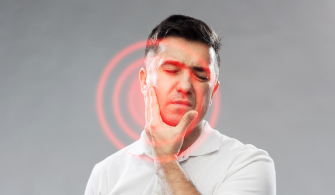
Jaw joint pain, or TMJ pain, is a common condition that can affect eating, speaking, and even sleeping. While occasional discomfort may seem minor, persistent or severe pain could indicate an underlying issue that needs professional care.
At Smiligne Dental & Skin Clinic, Dr. Saranya Jay provides diagnosis and personalised treatment planning for patients experiencing jaw discomfort, TMJ pain, clicking, stiffness, or related symptoms.
Understanding the causes of jaw joint pain is the first step toward effective treatment. Here are the top five causes and how to identify them.
Top 5 Causes of Jaw Joint Pain and How to Identify Them
1. Teeth Grinding and Jaw Clenching
Teeth grinding and jaw clenching, also called bruxism, are among the most common causes of TMJ pain. This often happens unconsciously, especially at night, and can place extra stress on the jaw muscles and joints.
How to identify it:
- Morning jaw stiffness or soreness
- Flattened or worn teeth
- Headaches around the temples
- Ear pain or pressure
- Jaw tiredness after waking up
Treatment: Depending on the case, treatment may include night guards, bite adjustments, jaw relaxation guidance, and stress management strategies to reduce pressure on the jaw joint.
2. Jaw Injuries or Trauma
Jaw injuries from sports, accidents, falls, or sudden impact can damage the temporomandibular joint or the surrounding muscles. This can lead to jaw pain, restricted movement, clicking, or difficulty opening and closing the mouth.
How to identify it:
- Sudden jaw pain after an injury
- Swelling or bruising around the jaw
- Difficulty opening or closing the mouth
- Clicking, popping, or jaw locking
- Pain while chewing
Treatment: A professional evaluation is important after jaw trauma. Your dentist may use imaging, functional checks, and a personalised treatment plan that may include splints, therapy, or other suitable care options.
3. Arthritis Affecting the Jaw
Both osteoarthritis and rheumatoid arthritis can affect the jaw joint. When arthritis affects the TMJ, it can cause inflammation, cartilage changes, stiffness, and chronic pain.
How to identify it:
- Persistent jaw stiffness, especially in the morning
- Pain that worsens while chewing
- Swelling or tenderness around the joint
- Grinding or crunching sensations
- Reduced jaw movement
Treatment: Management may include anti-inflammatory medication, jaw exercises, bite support, and customised TMJ therapy depending on the diagnosis and severity.
4. Stress and Muscle Tension
Stress can cause tension in the jaw, neck, and facial muscles. Many people clench their teeth during stressful periods without realising it. Over time, this can cause jaw pain, headaches, and muscle fatigue.
How to identify it:
- Tightness or soreness in the jaw and face
- Headaches or migraines
- Pain that worsens during stressful periods
- Frequent teeth clenching
- Neck or shoulder tension
Treatment: Treatment may include dental support, relaxation techniques, jaw exercises, posture correction, and habit awareness. A holistic approach can help reduce recurring jaw strain.
5. Misaligned Bite
A misaligned bite, also called malocclusion, happens when the upper and lower teeth do not meet properly. This can place uneven pressure on the jaw joint and muscles, leading to pain or discomfort over time.
How to identify it:
- Pain while chewing
- Uneven wear on teeth
- Jaw clicking or locking
- Muscle tension in the face
- Feeling that your bite does not sit evenly
Treatment: Correcting bite-related TMJ issues may involve orthodontics, dental restorations, splints, or TMJ therapy depending on the underlying cause.
Recognising Common Symptoms of Jaw Joint Pain
Jaw joint pain can appear in different ways. Some symptoms are mild at first but may become more noticeable over time.
- Persistent jaw, face, or ear pain
- Difficulty opening or closing the mouth
- Headaches or migraines
- Jaw clicking, popping, or grinding noises
- Jaw locking or limited movement
- Muscle soreness in the neck, shoulders, or face
- Pain while chewing or speaking
Early detection can help prevent jaw discomfort from becoming a long-term TMJ issue.
How Smiligne Dental & Skin Clinic Can Help
At Smiligne Dental & Skin Clinic, jaw joint pain is assessed carefully to understand the cause before recommending treatment. This helps ensure the care plan is based on the patient’s specific symptoms and jaw function.
- TMJ expertise: Dr. Saranya Jay provides care for patients experiencing TMJ-related discomfort.
- Comprehensive evaluation: Diagnosis may include bite assessment, jaw movement checks, symptom review, and imaging when needed.
- Customised treatment: Treatment may include splints, physiotherapy, lifestyle guidance, bite correction, or minimally invasive options.
- Holistic approach: Care may also consider stress, posture, clenching habits, and bite alignment for long-term comfort.
Conclusion
Jaw joint pain can significantly affect daily life, but understanding the cause is the first step toward finding relief. Teeth grinding, jaw injuries, arthritis, stress, and bite misalignment are some of the most common reasons people experience TMJ discomfort.
If you are experiencing persistent jaw pain, stiffness, clicking, or difficulty chewing, it is better to get it assessed early. Professional diagnosis can help identify the root cause and guide the right treatment plan.
Contact Smiligne Dental & Skin Clinic to schedule an evaluation and take the next step toward lasting jaw comfort.
Frequently Asked Questions
What causes jaw joint pain most often?
The most common causes include teeth grinding, jaw injuries, arthritis, stress-related muscle tension, and a misaligned bite.
How can I tell if my jaw pain is serious?
Jaw pain may need professional care if it is persistent, severe, or accompanied by jaw locking, popping, headaches, ear pain, or difficulty chewing.
How can I identify arthritis in my jaw?
Chronic jaw pain, swelling, stiffness, and reduced jaw movement may be signs of arthritis affecting the TMJ. Imaging such as X-rays or MRI may be recommended when needed.
Can jaw pain affect my sleep?
Yes. TMJ discomfort from grinding, clenching, or muscle tension can interfere with sleep and may also cause morning headaches or jaw soreness.
How is TMJ pain treated at Smiligne Dental & Skin Clinic?
Treatment is personalised and may include splints, physiotherapy, bite correction, lifestyle guidance, jaw exercises, and minimally invasive procedures depending on the cause.